
Workplace Harassment
Workplace harassment can have a significant impact on an individual's mental health, causing stress, anxiety, depression, PTSD, decreased self-esteem, and reduced productivity.
Coercive Control
Coercive control is a gradual process that can start with small acts of control and escalate over time, making it difficult for the victim to recognise and escape the abuse.

Nature and Mental Health
Nature provides numerous benefits for mental health and well-being, including reducing stress, improving mood, boosting creativity, and enhancing physical health.
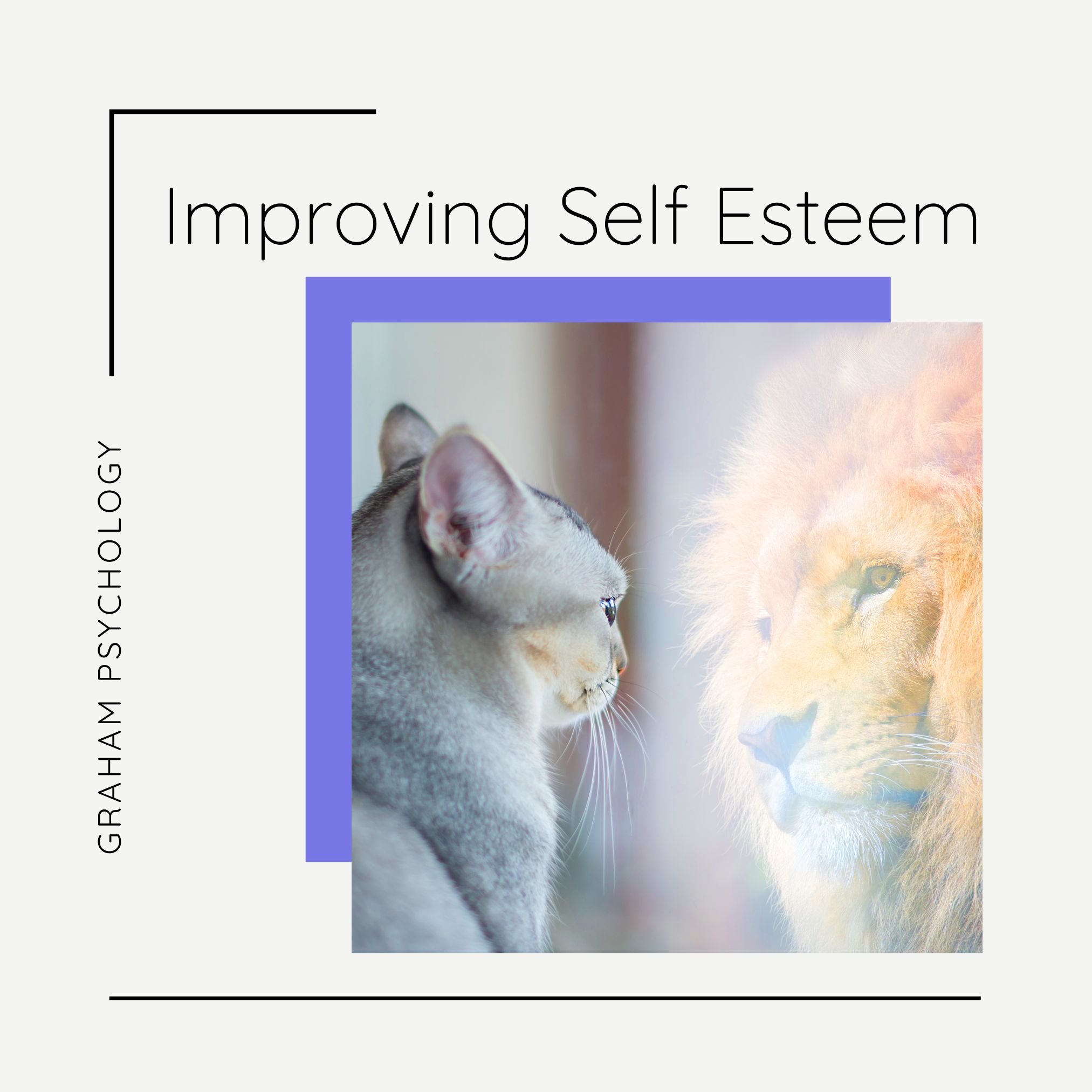
Ways to Improve Self-Esteem in Students
Self-esteem is a critical component of a student's mental health and well-being, and can impact their academic success, social interactions, and overall life satisfaction.
Staying Socially Connected
Social connections not only provide us with a sense of belonging and purpose, but also offer emotional support and practical assistance when needed.
What is EMDR Therapy?
EMDR (Eye Movement Desensitisation and Reprocessing) therapy is a form of psychotherapy that is used to treat individuals who have experienced traumatic events or distressing life experiences.

Unhelpful Thinking Styles: Mind Reading
Mind reading is when we assume we know what someone else is thinking. For example, in a social situation I might assume someone doesn’t like me (based of no real evidence).
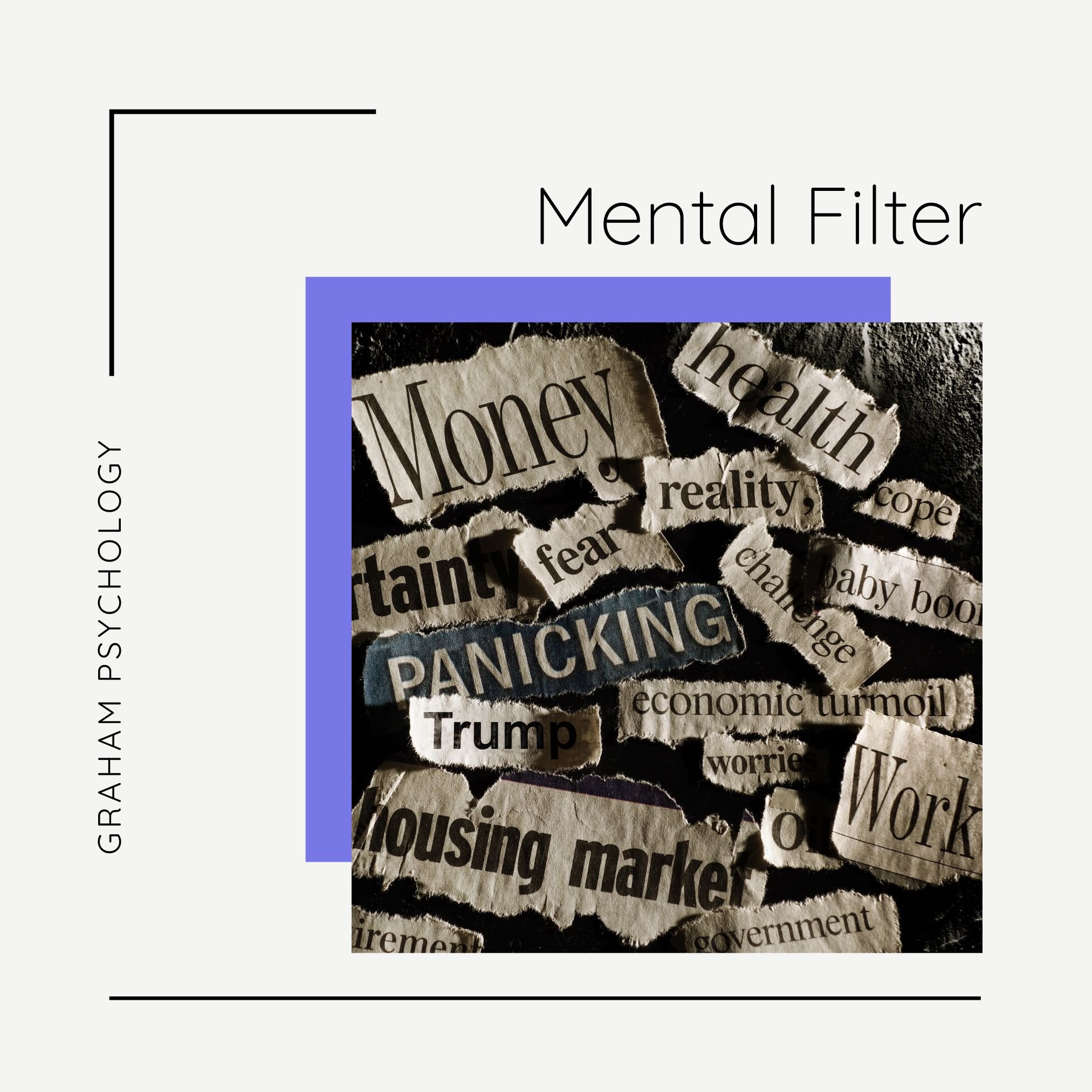
Unhelpful Thinking Styles - Mental Filter
Have you ever had one of those days that just suck? They go from bad to worse and everything seems to go wrong. It is likely you are getting stuck with a negative lens on your mental filter.
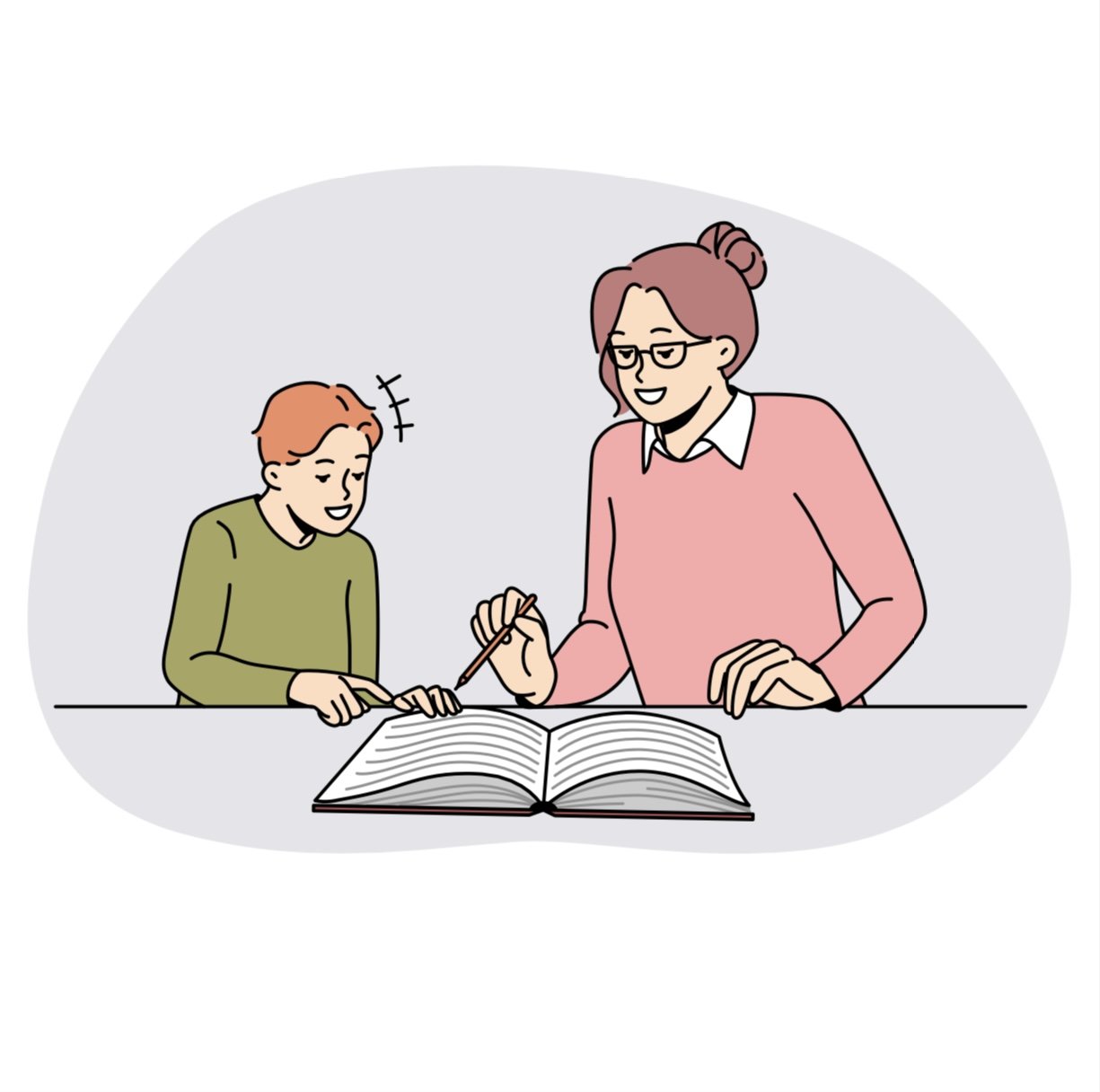
Supporting children with dyslexia
Dyslexia is a literacy disorder that affects the ability to read and write, therefore, mismatches in the order of letters, syllables, or words are evident. Like any learning difficulties, family support is essential and beneficial.
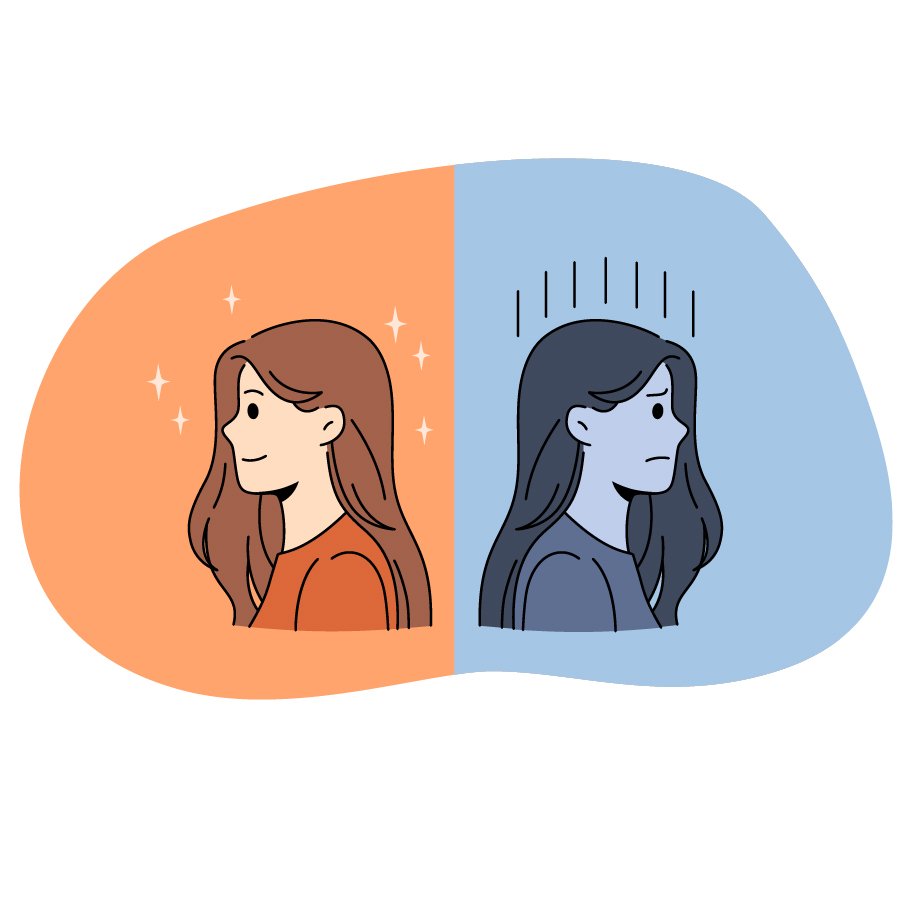
Bipolar Disorder
There are a lot of misconceptions around bi-polar (and other mental health disorders), so it’s important to understand that it effects people differently, and its not always in the extremes like we are used to seeing in movies. People with bipolar can absolutely be functional, hold steady jobs and be productive. Not only is the experience different from person to person, but there are also multiple types of bipolar, so a lot of the information that we hear about this disorder is not all that accurate.
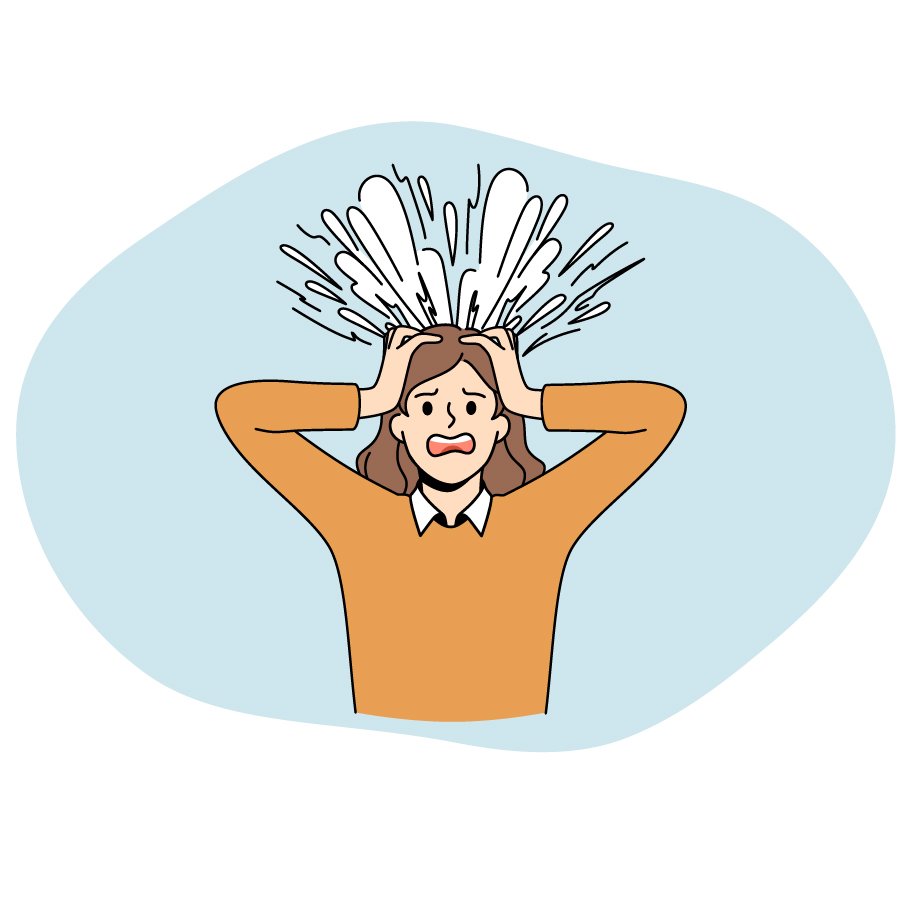
Unhelpful thinking styles: Catastrophising
Unhelpful thinking styles are different patterns of thinking we get stuck with when experiencing uncomfortable emotions. Unhelpful thinking styles often become automatic and are usually cause several negative thoughts and statements, which only make you feel way worse! Once you start to understand your unhelpful thinking styles it can become a lot easier to challenge them and to have a different outlook (often making you feel a lot less crappy).
The Big Bat
This is a metaphor that I use quite often in therapy, with clients who find themselves self-sabotaging or punishing themselves. The Big Bat is what you pick up to beat yourself up with – metaphorically, not literally!

How to say no.
While saying yes may provide some short-term relief by allowing you to avoid confrontation with others and avoid dealing with uncomfortable emotions, saying yes, all the time has its own implications.

What does therapy look like?
A couple of quick thoughts from one of our psychologists about what it’s like coming to therapy

How can I tap into my intuition/inner knowing?
Some tips and tricks to dive deep into your own thoughts

Fidget Toys
Fidget toys can provide extra sensory input and can be the perfect tool to help improve concentration and attention to task (with the least amount of distraction).
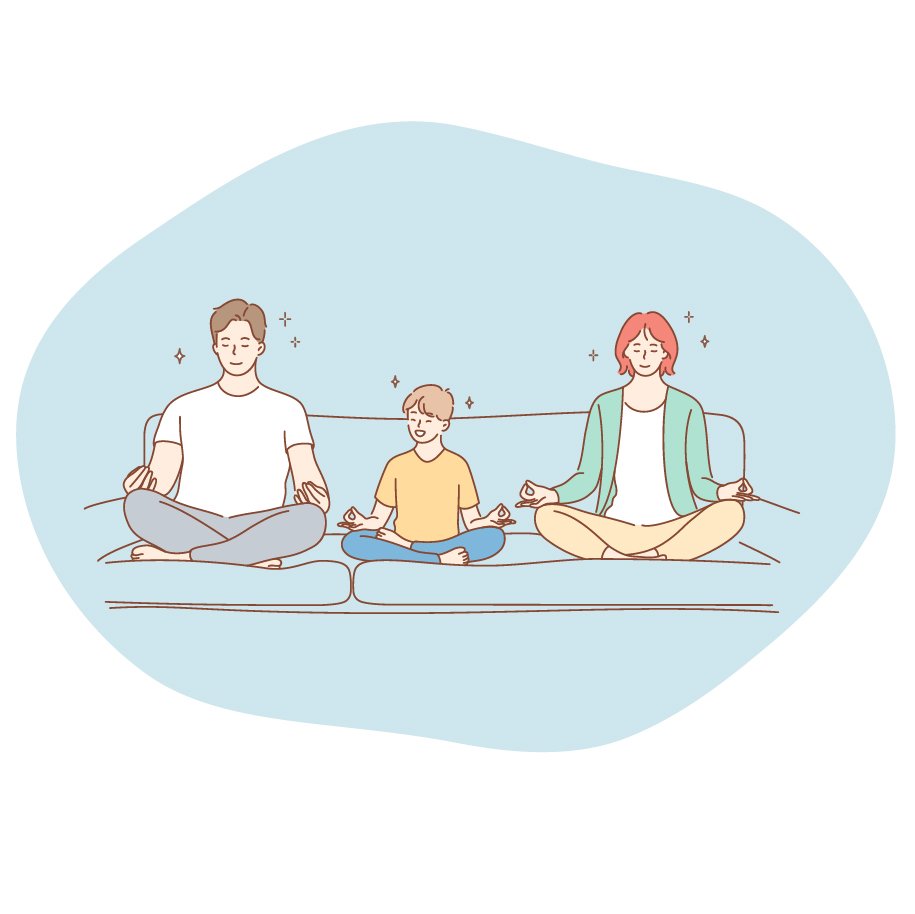
Mindfulness Activities for Kids
Parents often complain that their children are too distracted and unable to concentrate. There are two factors present in this complaint: On the one hand, the projection of a lack of attention that points to the children but that has a lot to do with the lack of attention suffered by the parents themselves. On the other hand, the lack of attention of children as a result of the world full of stimuli in which we live and the accelerated pace of life that parents imprint on them. We don't leave them time to get bored or be themselves.

Importance of sleep
Irregular sleep patterns suggest your body can be out of sync with itself, which will then negatively impact your sleep quality. This may also lead to symptoms of insomnia, such as difficulty initiating sleep, restless sleep, or inability to sleep for long periods.
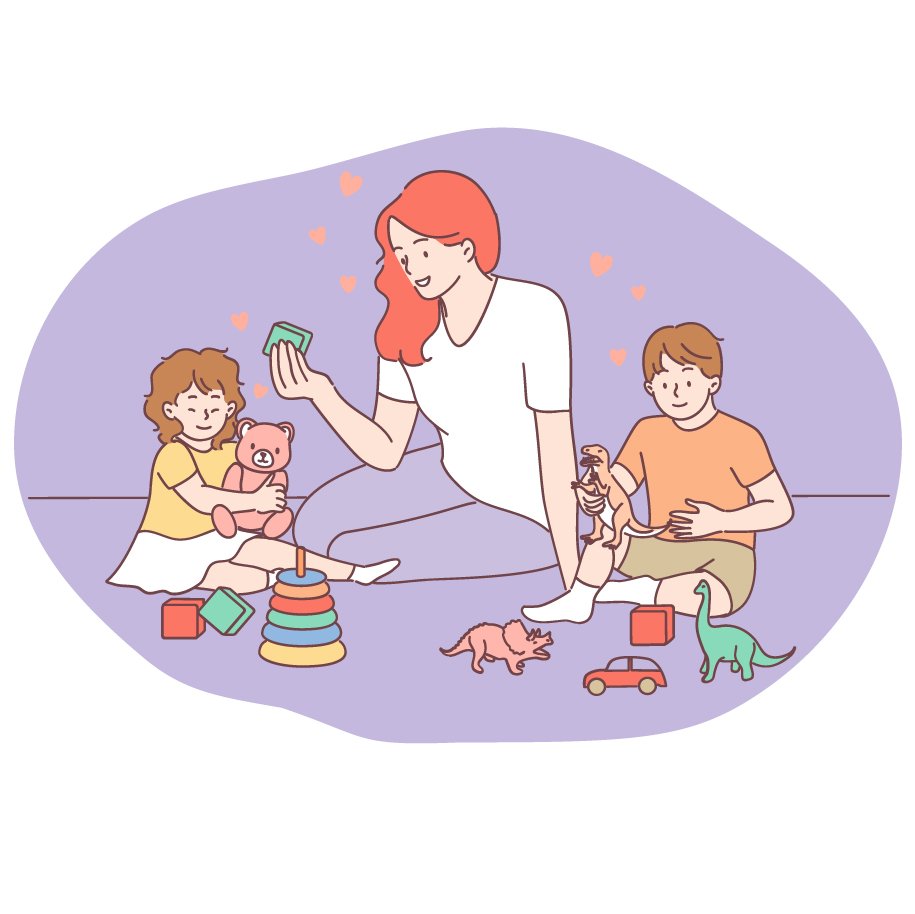
Fostering Empathy In Children
As parents, our most important job is to raise our children to be good people. We want our little ones to be kind, considerate, educated... and much more.

Self compassion and Self-Esteem
Past experiences are often linked to an individual's sense of belonging and security and tend to impact on one's activities, opinions, and decisions. Negative views of the self often result in a tendency to exaggerate negative aspects of daily events and may lead to dependency on others or result in stress reactions.