
Anxiety
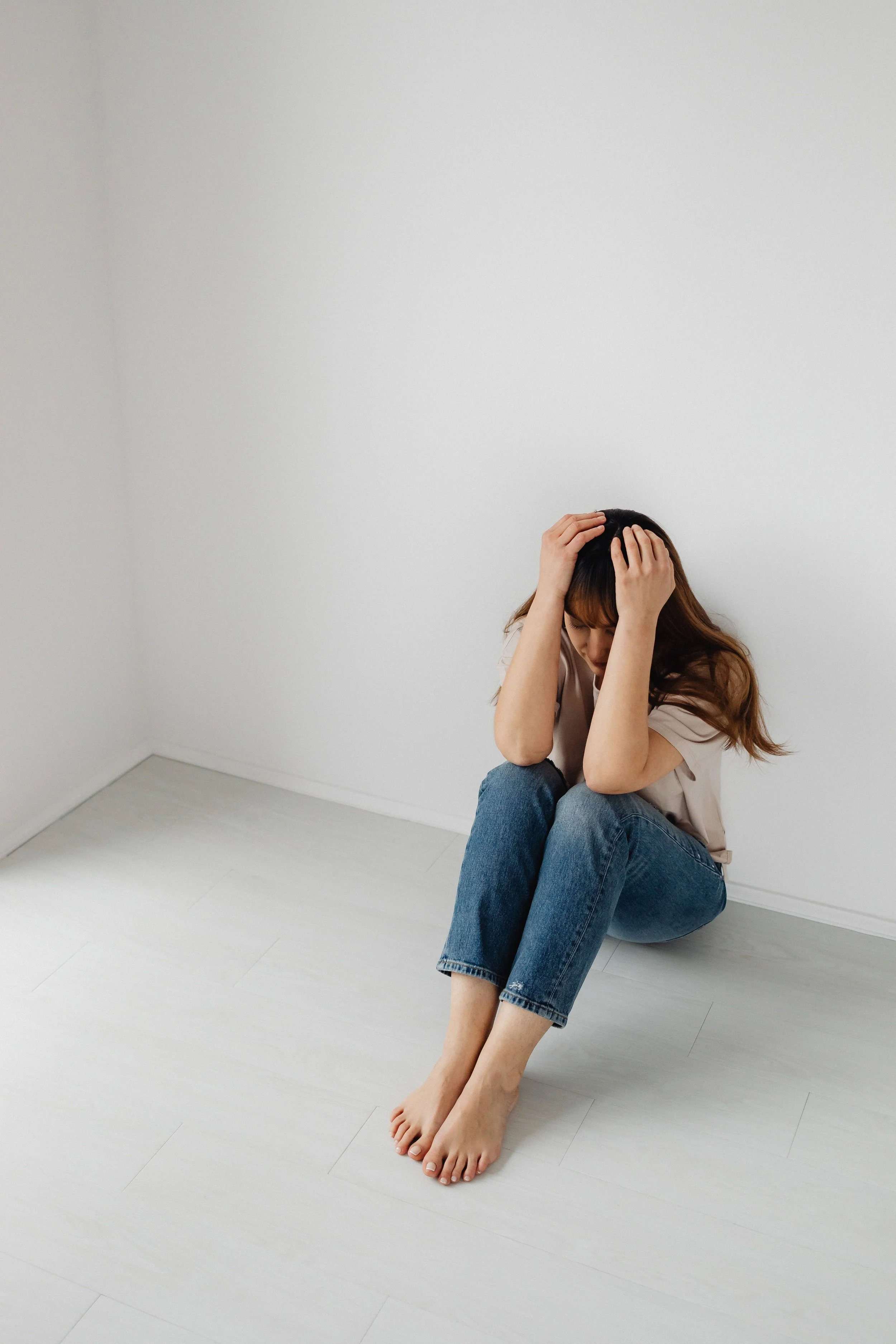
It is normal to occasionally feel anxious - in unsettling or dangerous situations, our nervous system alerts us to a threat and prompts us to take action; in situations with high stakes like a sporting final or important exam, feeling anxious is to be expected and can energise and focus us. However, when the anxiety you're experiencing is persistent or exceeds the expected level of nerves for a situation, it can have a big impact on your daily life.
Common symptoms of anxiety
A racing heart
Short of breath or rapid breath
Tense neck, shoulders and back
Feeling dizzy or sweating more
‘Butterflies’ or stomach discomfort
Feeling unable to control worries
Anxiety that feels out of proportion
Withdrawing from social settings
Difficulty with falling or staying asleep
Symptoms will vary depending on the anxiety disorder present
Do I have an Anxiety Disorder?
A qualified psychologist will compassionately listen to your concerns and ascertain whether your anxiety meets the criteria for an Anxiety Disorder diagnosis. Regardless of a diagnosis, seeking support when your anxiety feels unmanageable enables you to be guided towards the right strategies and approaches to help you manage your anxiety.
The strategies suggested will be tailored to the root cause of your anxiety, the severity and considerate of any co-occurring conditions such as depression, ADHD and OCD.
Generalised Anxiety Disorder
Panic
Disorder
An intense or irrational fear of something that poses little to no threat such as heights, animals or enclosed spaces.
Ongoing and excessive worry about a wide range of everyday issues.
Significant distress about being apart from someone there is an emotional connection with.
Episodes of intense fear, often described as a panic attack, brought on by no discernible trigger.
Fear of being in situations or environments where there is no identifiable exit. Often co-occurs with panic disorder.
Disproportionate fear in social settings such as meeting friends, job interviews, presentations and casual interactions
Social
Anxiety Disorder
Agoraphobia
Specific Phobia
Separation
Anxiety Disorder
How we work with anxiety
It’s common for individuals struggling with how they express anger to think they’ll attend their first session, be told anger is a ‘bad’ emotion and be given a list of breathing exercises to do instead when they feel themselves getting angry.
Our approach couldn’t be further from that.
Anger is often not the primary emotion at play but a secondary emotion that surfaces when individuals feel isolated, let down, burnt out, under-appreciated, or disconnected. The first couple of appointments, we take the opportunity to get to know you and determine what might be causing the anger to present, whether it’s a current set of circumstances, or past events that continue to affect you.
From there, it’s not about entirely eradicating anger but equipping you with skills to better manage when and how you communicate that frustration.

Psychologists who work with Anxiety
in Melbourne
All of our Psychologists are equipped to work with individuals experiencing anxiety and all bring a wide variety of life experience and clinical expertise to provide you with the support you need.
Not sure who would be the best fit?
Submit an enquiry here and our Admin team will be in touch to match you with a psychologist who suits your support needs and availability